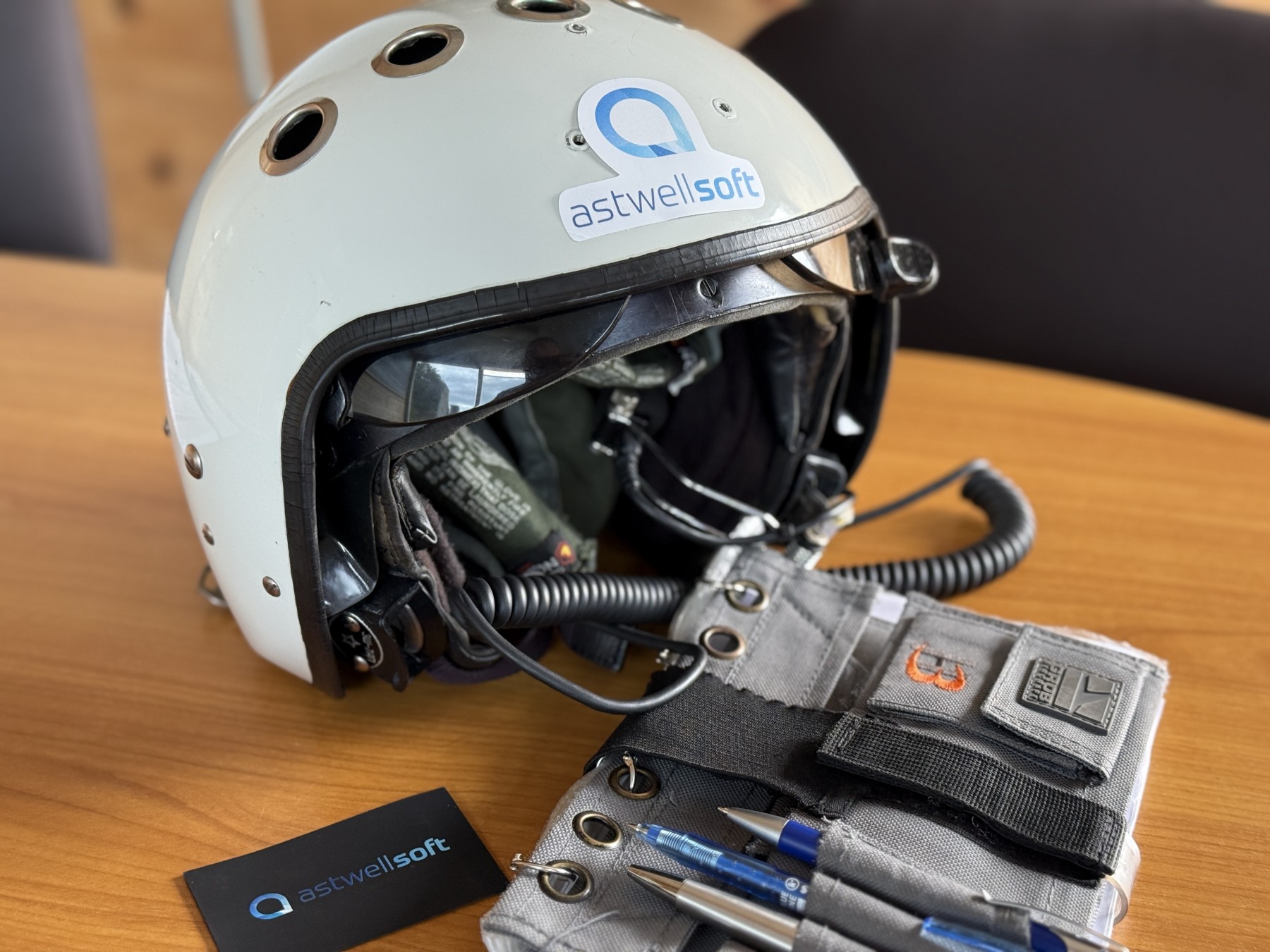
Telemetry analytics and anomaly detection that predict L-39 component failures 10–20 flight hours in advance — giving technicians the lead time to act before something breaks in the air.
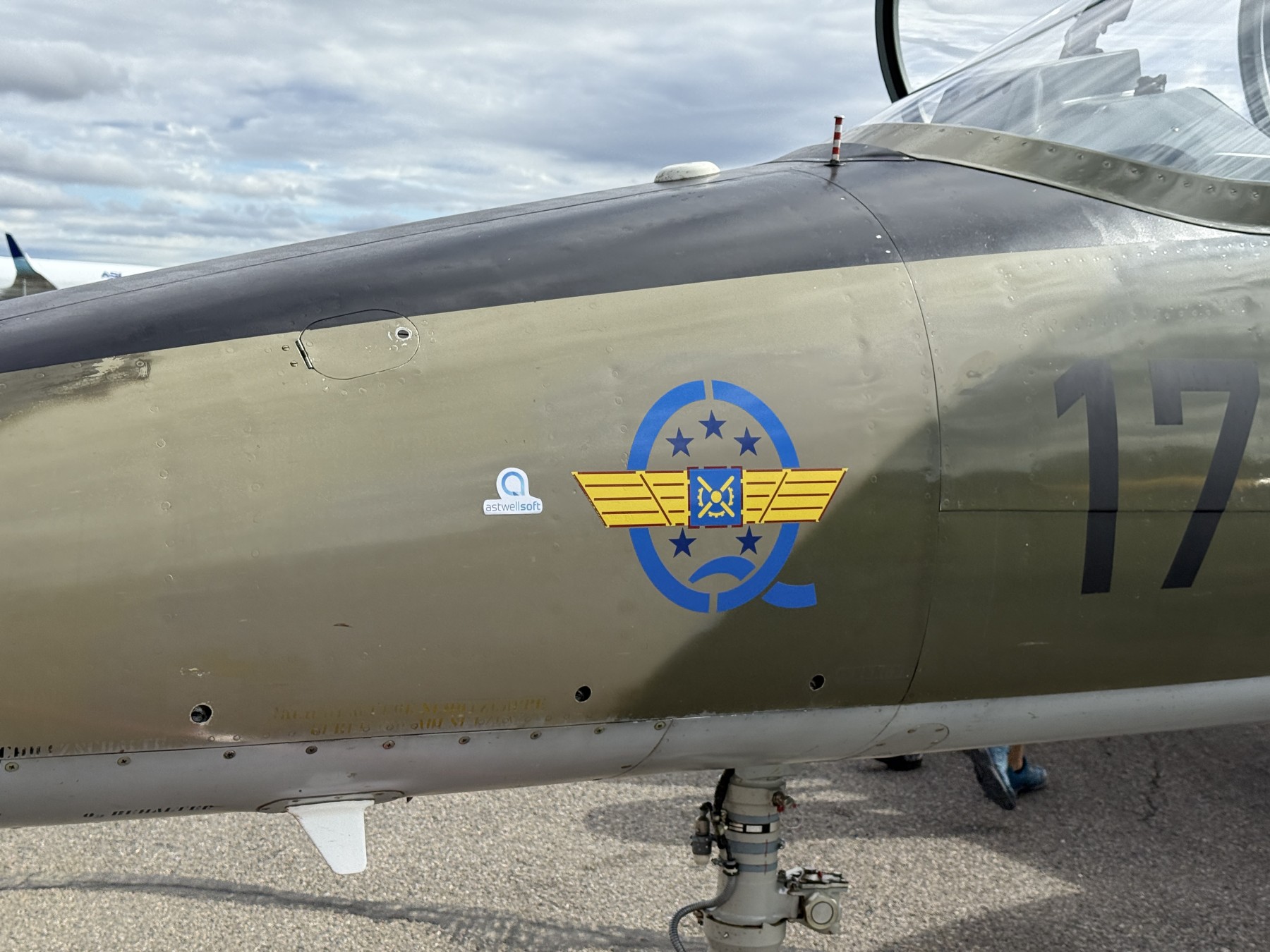
The operator of a fleet of L-39 training aircraft for the Czech Air Force needed higher reliability and cost efficiency. Maintenance was largely reactive — small anomalies in engine telemetry went unnoticed until they grounded jets, drove up spare-part spend, and pulled aircraft out of training rotations.
The goal: turn the flight data the jets were already producing into reliable, time-bounded predictions that ground crews can act on between sorties.
Illustrative screens — actual client UI, branding, and data redacted under defense-sector NDA.
In defense aviation, AI is no longer optional — it is a must-have for safety, efficiency, and cost control. Senior engineers owned the data contracts, model evaluation, and fallback behaviour; the models surface risk and explain it, while ground crews keep the final call. Every prediction comes with traceable evidence: which sensor, which window, which version of the model.
Book a free 30-minute call with a senior engineer. We’ll tell you honestly whether AI-first delivery is the right fit — and what a realistic engagement would look like.